this post was submitted on 26 Dec 2025
340 points (99.1% liked)
politics
26843 readers
1500 users here now
Welcome to the discussion of US Politics!
Rules:
- Post only links to articles, Title must fairly describe link contents. If your title differs from the site’s, it should only be to add context or be more descriptive. Do not post entire articles in the body or in the comments.
Links must be to the original source, not an aggregator like Google Amp, MSN, or Yahoo.
Example:
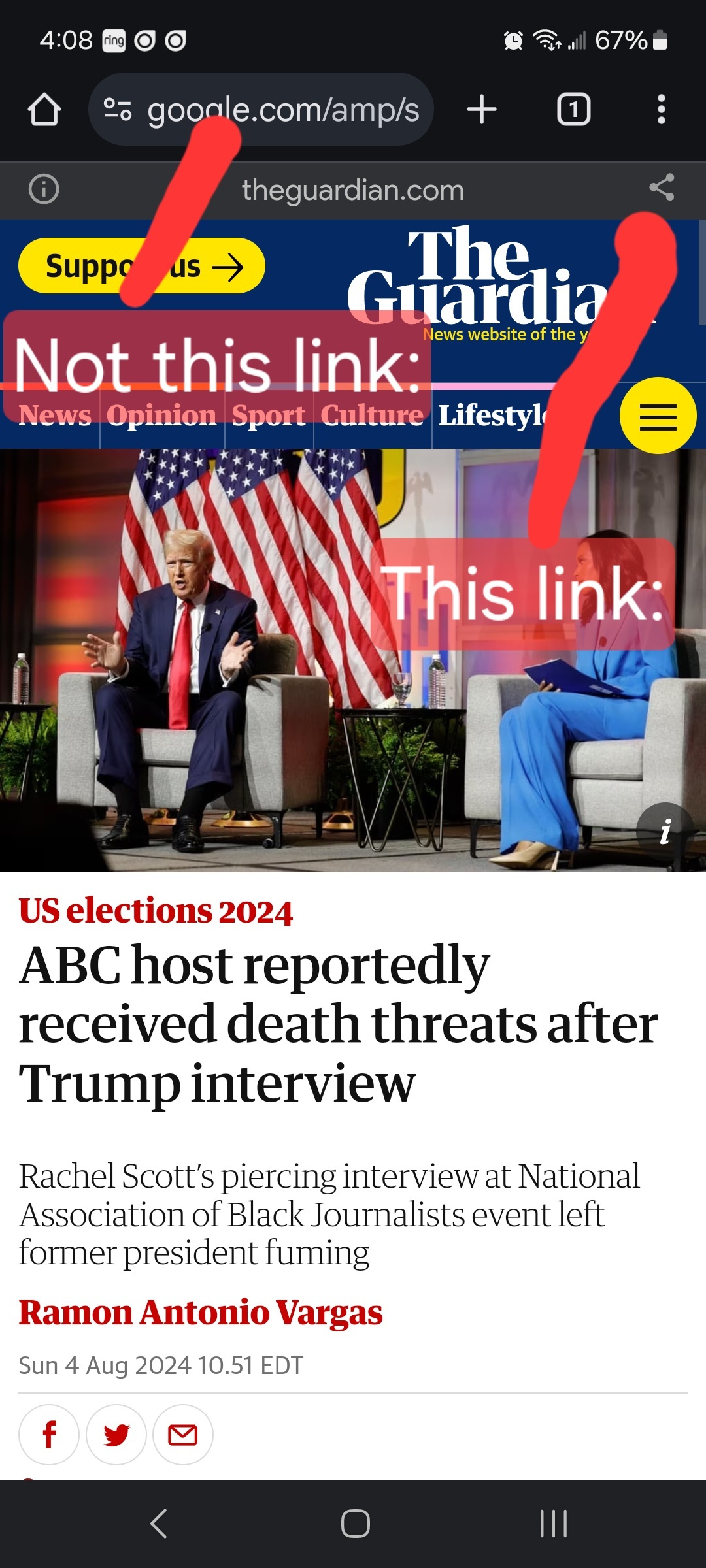
- Articles must be relevant to politics. Links must be to quality and original content. Articles should be worth reading. Clickbait, stub articles, and rehosted or stolen content are not allowed. Check your source for Reliability and Bias here.
- Be civil, No violations of TOS.
It’s OK to say the subject of an article is behaving like a (pejorative, pejorative). It’s NOT OK to say another USER is (pejorative). Strong language is fine, just not directed at other members. Engage in good-faith and with respect! This includes accusing another user of being a bot or paid actor. Trolling is uncivil and is grounds for removal and/or a community ban.
- No memes, trolling, or low-effort comments.
Reposts, misinformation, off-topic, trolling, or offensive. Similarly, if you see posts along these lines, do not engage. Report them, block them, and live a happier life than they do. We see too many slapfights that boil down to "Mom! He's bugging me!" and "I'm not touching you!" Going forward, slapfights will result in removed comments and temp bans to cool off.
- Vote based on comment quality, not agreement. This community aims to foster discussion; please reward people for putting effort into articulating their viewpoint, even if you disagree with it.
- No hate speech, slurs, celebrating death, advocating violence, or abusive language. This will result in a ban. Usernames containing racist, or inappropriate slurs will be banned without warning
We ask that the users report any comment or post that violate the rules, to use critical thinking when reading, posting or commenting. Users that post off-topic spam, advocate violence, have multiple comments or posts removed, weaponize reports or violate the code of conduct will be banned.
All posts and comments will be reviewed on a case-by-case basis. This means that some content that violates the rules may be allowed, while other content that does not violate the rules may be removed. The moderators retain the right to remove any content and ban users.
That's all the rules!
Civic Links
• Register To Vote
• Citizenship Resource Center
• Congressional Awards Program
• Federal Government Agencies
• Library of Congress Legislative Resources
• The White House
• U.S. House of Representatives
• U.S. Senate
Partnered Communities:
• News
• World News
• Business News
• Political Discussion
• Ask Politics
• Military News
• Global Politics
• Moderate Politics
• Progressive Politics
• UK Politics
• Canadian Politics
• Australian Politics
• New Zealand Politics
founded 2 years ago
MODERATORS
Having had numerous discussions on different protests and pondering about what the most effective form of protest is, I find this article a nice addition in the endeavour of answering exactly that. So thanks for sharing. It's interesting to see, that peaceful protests have been more effective in the considered cases. However, I am under the impression that a final judgement is still not possible. According to what I have gathered so far even more violent protests may be shown to be effective. A classic, prominent example are suffragettes and their bombings, arsony, destruction of property etc.. How effective protect can become and the level of acceptance within the population seems to depend highly on further cultural and/or societal contexts as well. For instance, one could argue that suffragettes had more leverage due to the immense efforts and losses during WWI, which inevitably made the societal backbone more dependent on women. It's important to note, however, that suffragettes were a long running movement that has started to shape public discussion far earlier than WWI and it would not be accurate to reduce their achievements to their more violent protests alone. More precisely, it is debatable whether violence even was a positively contributing factor at all. At the very least, it can be argued that suffragettes were successfull despite these violent acts.
Another important factor seems to be how directly actionable the goals of the respective movements are. Combining with that, also how much of behavioural change is asked of the people in general. For example, protesting against violent police actions shifts the focus away from the general public and shapes the state as the responsible actor while climate protests may demand significant changes of each individual (in addition to policy changes). Furthermore, in this example, protesting for a change in the education and regulation of policeforces appears to have less requirements while counteracting climate change is much more demanding as it comes with significantly more challenges.
If you read the guys who notices the 30% ish never. They have said it is becoming less successful as the oppressors learn from each other. Also probably better survalence.